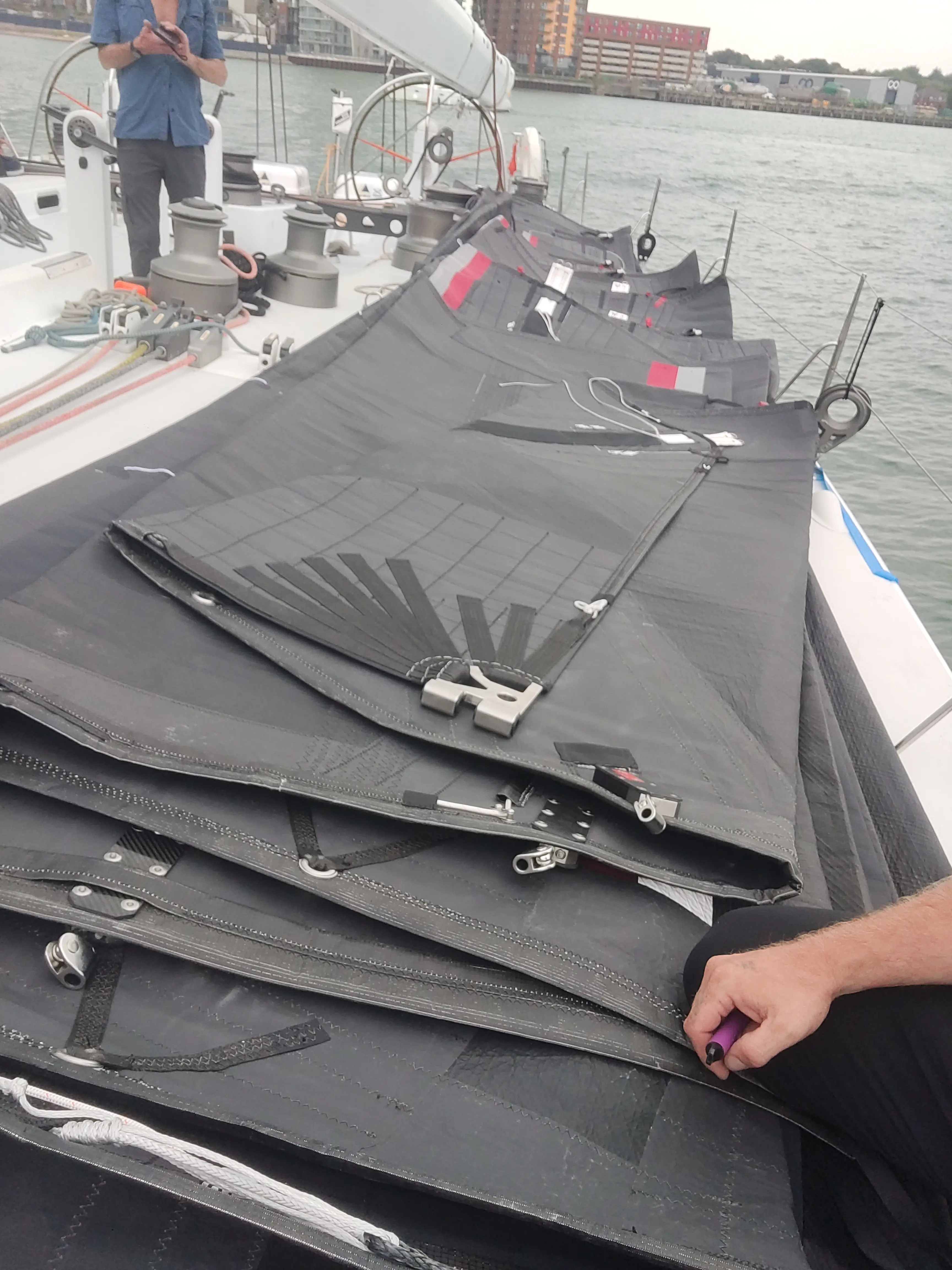
Everyone has an opinion on filament. Most of those opinions come from printing shelf brackets. I need parts that survive 30 days at sea, 40-knot wind, 70-degree cockpit temps in the tropics, and constant salt spray. Different criteria.
This is what I have actually seen offshore with carbon fiber variants. Three materials. Specific conditions. No affiliate links.
Why Carbon Fiber at All
Plain ASA and PETG flex under sustained load. On a boat, sustained load is the default state. Lines under tension. Hardware vibrating with the rig. Parts that flex slowly take on a fatigue set and fail without warning. Carbon fiber composite filaments change that. You get stiffness much closer to the injection-molded OEM parts you are replacing.
You also need a hardened steel nozzle. CF filaments are abrasive. A brass nozzle will wear to uselessness inside a few kilograms of material. Budget for the nozzle before you budget for the filament.
ASA-CF
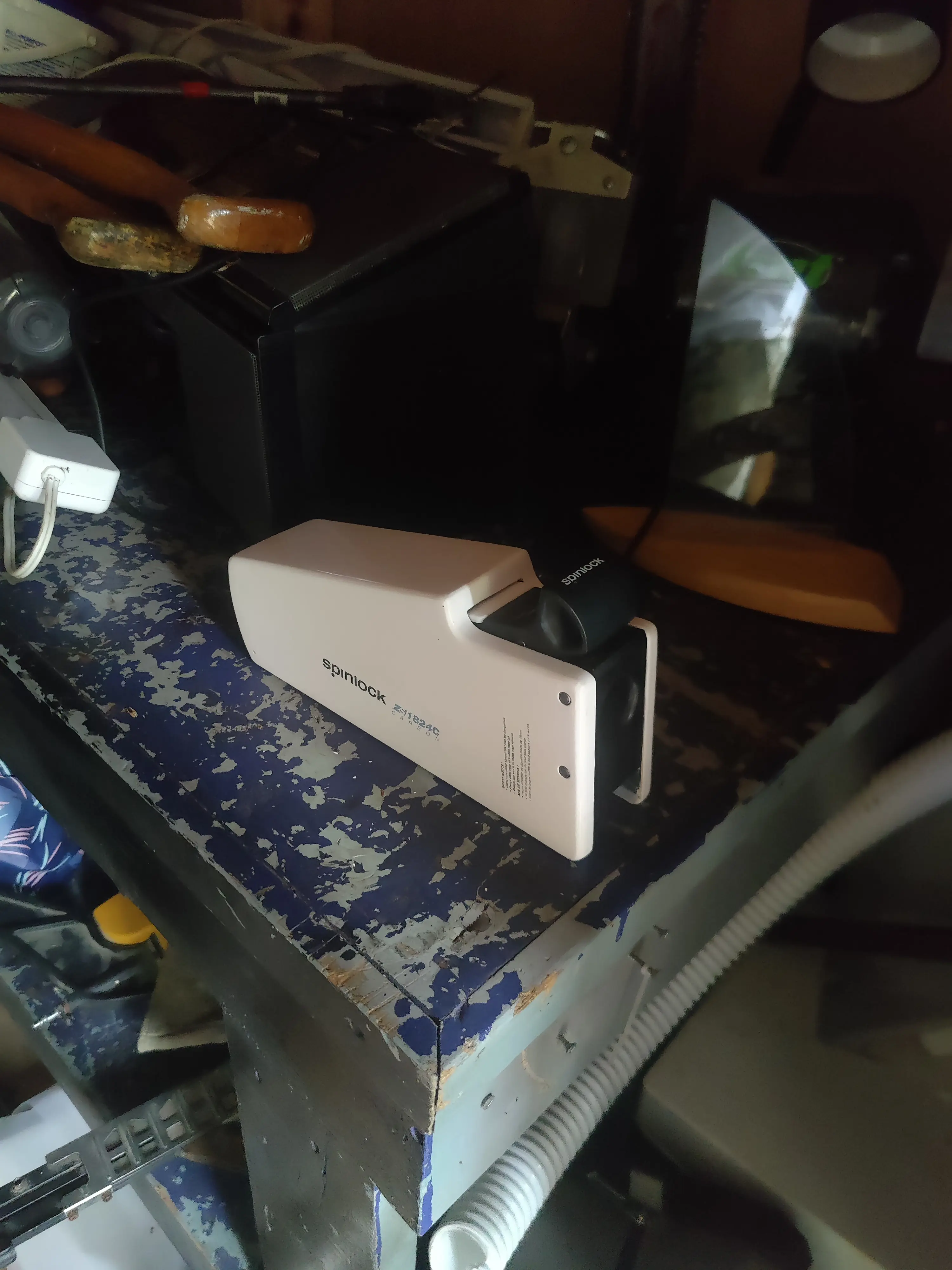
ASA is my baseline for anything that lives above deck and sees direct sun. ASA-CF extends that with stiffness. The Vicat softening point is around 100 degrees C, which means a black part in direct tropical sun is still within spec. PETG starts to creep at 70 to 80 degrees under the same conditions.
The tradeoff is layer adhesion. ASA-CF bonds less aggressively between layers than plain ASA. That is fine for compression-loaded parts. It is a problem for anything that sees peel or tensile stress perpendicular to the layers. Design around that. Orientate the print so the load runs along the layers, not across them.
Salt spray and UV are non-issues. ASA was engineered for outdoor weathering. I have ASA parts on deck that have been through two Atlantic crossings and a Caribbean season. Zero degradation visible.
Best for: above-deck hardware covers, line guides, fairleads, cam cleat bodies, anything exposed to sun and spray.
PETG-CF
PETG-CF is easier to print than ASA-CF. That matters on a boat where you might be printing underway or in a hot, humid marina environment. Warping is lower. Bed adhesion is more forgiving.
The problem is heat. A black PETG-CF part in a cockpit in the Caribbean can hit its softening point. I have seen parts creep and distort when left on a dark surface in direct sun at anchor. That is a failure mode that does not show itself until the moment the part is no longer doing its job.
Interior structural parts are where PETG-CF earns its place. Below deck, protected from UV, temperatures stay manageable. The material has good chemical resistance, handles bilge smells and fuel fumes without degrading, and is stiff enough for brackets, mounts, and cable routing.
Best for: interior brackets, cable management, below-deck mounts, anything protected from direct sun and sustained heat.
PP-CF
Polypropylene carbon fiber is the most chemically resistant of the three. It absorbs almost no moisture, resists diesel, oil, bilge water, and cleaning chemicals, and is genuinely suitable for below-waterline applications. No other consumer filament comes close on chemical resistance.
The print experience is brutal. PP warps. It does not like most print surfaces. It needs a heated chamber or a very controlled environment. A standard open-frame printer will give you a curl disaster. The Prusa Core ONE L is enclosed and gets close enough, but PP-CF still demands more attention per print than ASA or PETG.
When it works, the parts are excellent. Bilge fittings, cable pass-throughs in wet areas, anything that sits in standing water or sees constant chemical exposure. If you can tolerate the print overhead, PP-CF goes places no other filament does.
Best for: bilge fittings, wet locker hardware, through-hull guards, anything in permanent contact with water or chemicals.
The Decision Framework
Above deck, UV and heat exposure: ASA-CF. No debate.
Interior structural, below-deck, protected from sun: PETG-CF. Easier to print, adequate heat resistance, good chemical performance.
Bilge, chemical exposure, permanent water contact: PP-CF if you have the patience for it. PA12-CF is the alternative if you want similar performance with a slightly better print experience.
None of these replace stainless or bronze for load-bearing offshore hardware. They replace the plastic OEM parts that fail at sea and cannot be sourced at anchor in Bermuda on a Saturday night. That is the use case. Keep it in scope.
Need a part printed in the right material?
Send the application, the load, and the environment. Reply within 24 hours with material recommendation and quote.
Request a Part