Natural kauri, an open transom, and the centreboard loophole.
In 1976, Britton Chance proved that the IOR rule had a hole in it. His boat Resolute Salmon won the One Ton Cup in Marseilles using a centreboard - a configuration the rule penalised lightly, but which let the designer hide displacement and sneak a longer waterline under the rated length. The IYRU rule-makers, embarrassed, tried to close the loophole. They failed. For 1977, four New Zealand designers exploited it for everything it was worth.
Bruce Farr drew four nearly identical 38-footers: Design №64 (The Red Lion), Design №62 (Jenny H), Design №63 (Smir-Noff-Agen), and Design №66 (Mr Jump). Cold-moulded kauri over closely-spaced kahikatea stringers and ring frames, three 1/8" skins. Internal ballast in a 360 kg drop-keel that the rule technically discouraged but could not prevent. Long, fine, easily-driven hulls; clean stems; broad sterns. Light enough to plane.
The advertising scandal
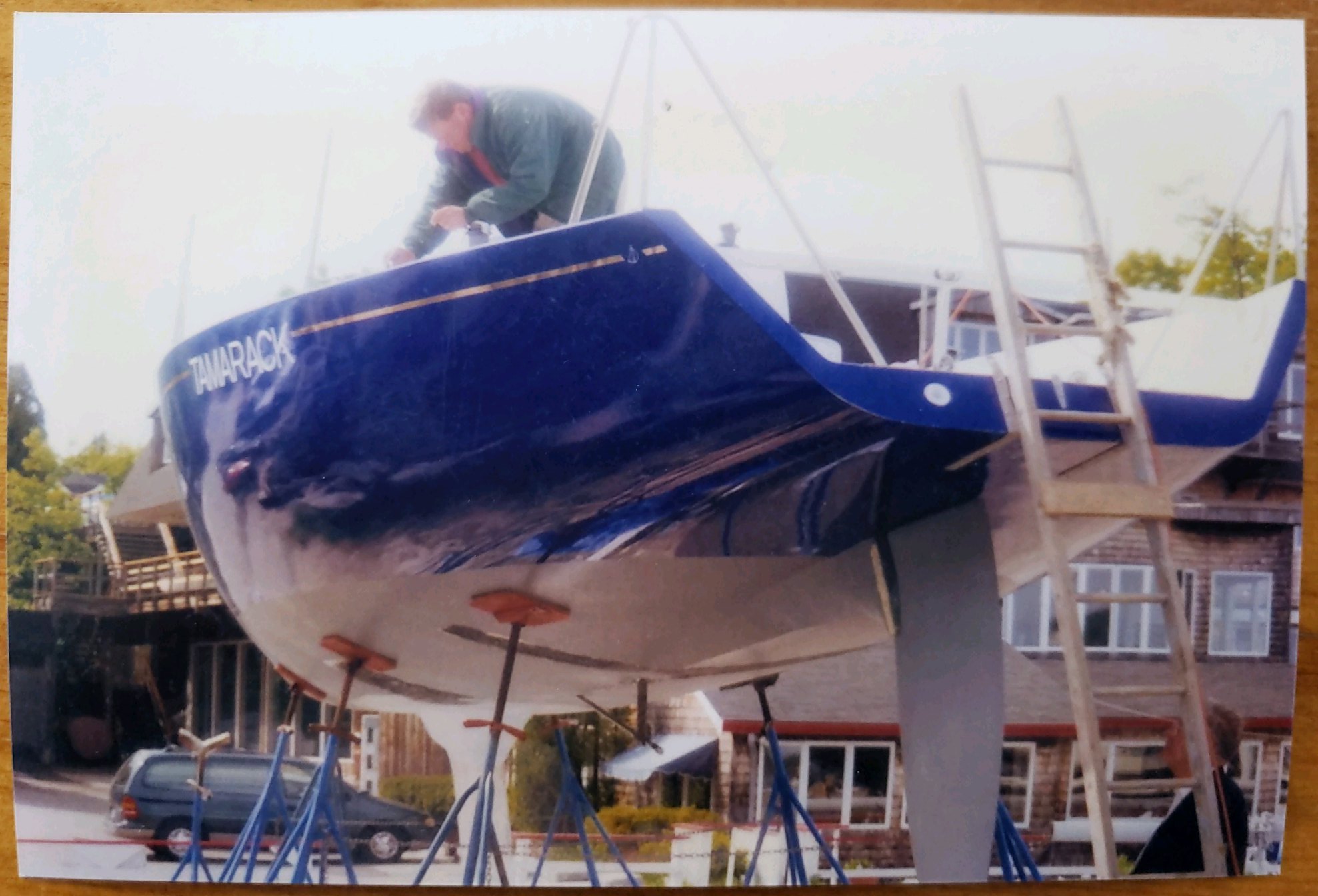
Mr Jumpa was commissioned by Graeme Woodroffe - a top-flight New Zealand yachtsman who had taken his earlier fixed-keel Farr, 45 South II, to Marseilles the year before. He had her built with the same bold, distinctive details: a clear-finished hull that left the natural NZ kauri wood grain visible instead of painting over it. Most racing yachts were painted solid for a smooth finish, but Woodroffe wanted to show off the timber. The honey-golden kauri showed through three laminated skins, giving the boat a warm, unmistakable look on the water. She also had an open transom, a central console, side-deck spinnaker hatches, a curved mainsheet track, and custom steering pedestals. She launched on 18 August 1977, last of the four, barely a month before the One Ton Cup trials.
She was named for her sponsor, a New Zealand woollen-goods firm called Mr Jump. The Royal New Zealand Yacht Squadron, citing IYRU Rule 26, told Woodroffe to remove the advertising or lose his entry. He added a small green letter A to the end of the name. Hardly visible from a distance. The committee let it go.
Three masts before the Cup
Her shake-down was unkind. The mainsail tore from its track in a gybe at Groper Rock - damaged the first mast. The second mast hit a telephone pole on the way to the boat. By the time the One Ton Cup began, she was on her third spar.
None of which mattered, particularly. In the New Zealand trials she finished second overall (3/1/4/4/3) - top of the new Farr boats and the only one to win a race outright. In the World Championship that followed, she finished second again, behind the sister-ship that beat her by a single position in nearly every race: The Red Lion.
The American years
She was sold to a U.S. syndicate before the 1978 SORC for approximately $47,000 USD - the total campaign budget, including purchase, new sails, and crew expenses, was around $75,000. She dominated Class D through the early races, leading by a commanding margin until a protest from Bill Cook on Rogues Roost triggered a remeasurement drama in Nassau. She ultimately finished second in Class D, losing by 18 seconds on corrected time in the final race.
She raced the 1978 Onion Patch Series in Newport. The late Ted Turner (1938-2026) sailed aboard during the SORC and called her “just a big dinghy.” She led the World Ocean Racing Championship for all of 1978 and won the NYYC Annual Cruise Boat of the Year while under charter that summer. She lived for years at the Hyannis Yacht Club on Cape Cod. Then Hurricane Bob found her in August 1991.
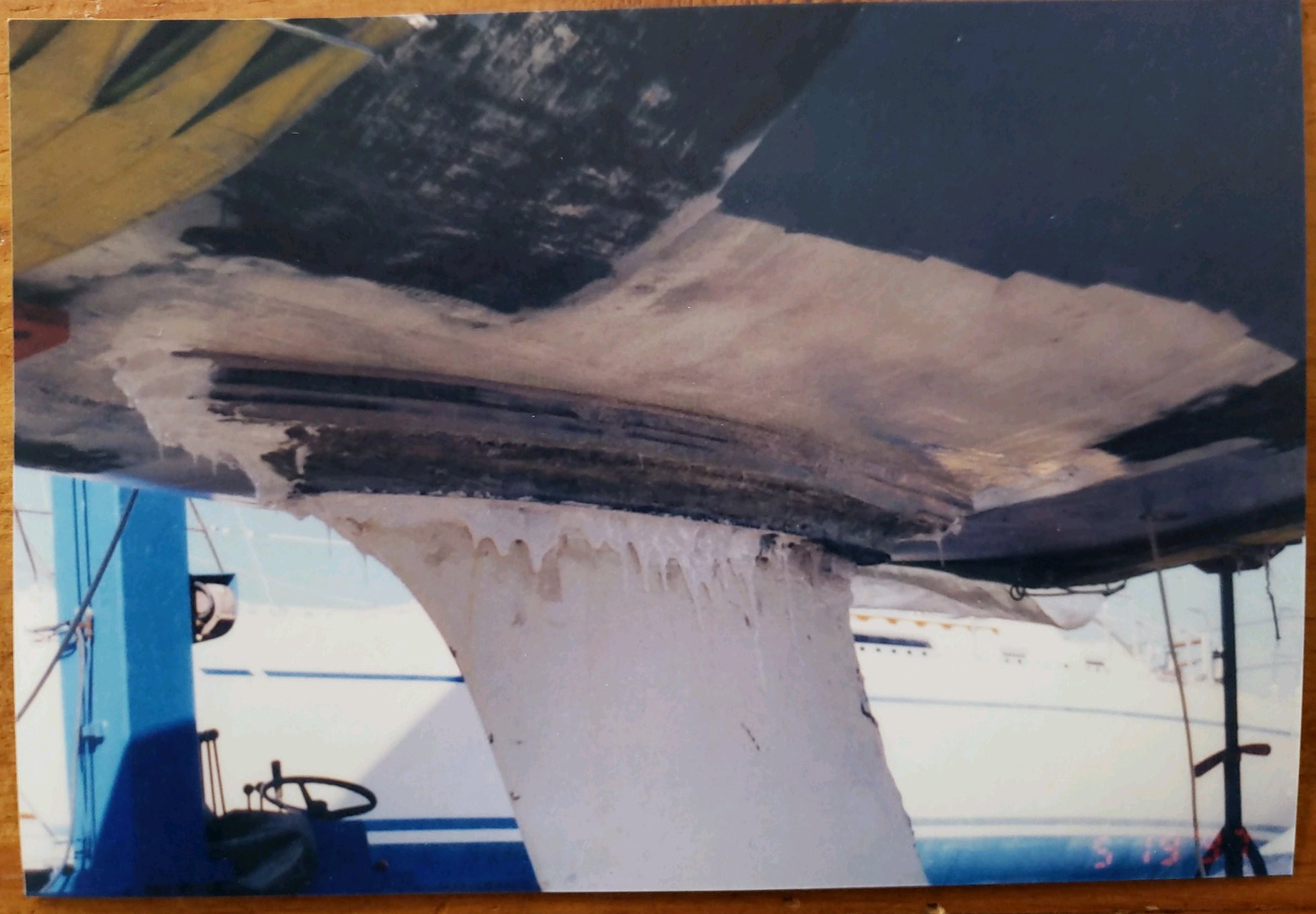
An owner remembered later: “Hurricane Bob put her on the beach, holed her in a number of places and broke her daggerboard. Written on her daggerboard trunk were the words: ‘Life wasn’t meant to be easy boys.’”
The rebuild
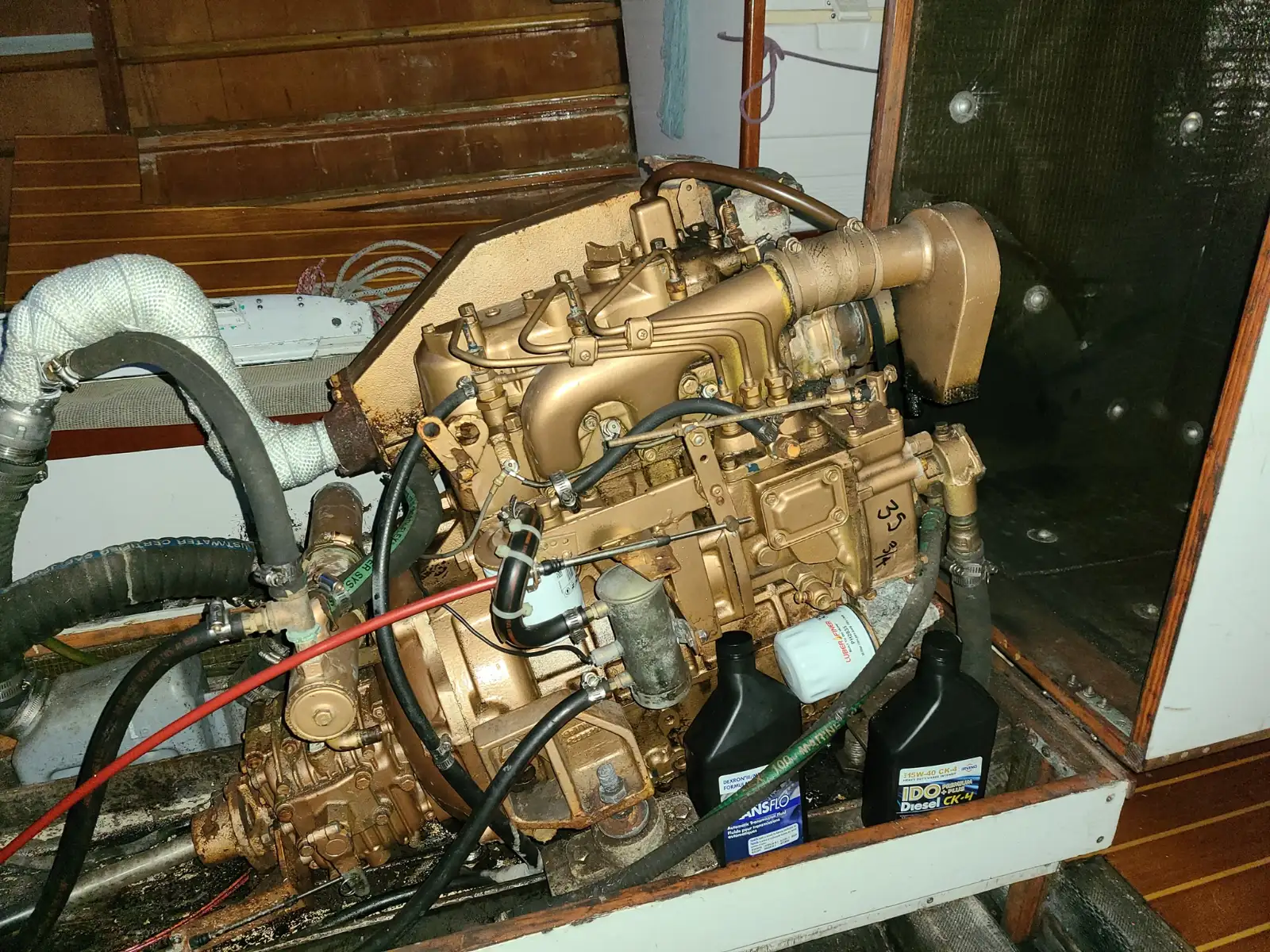
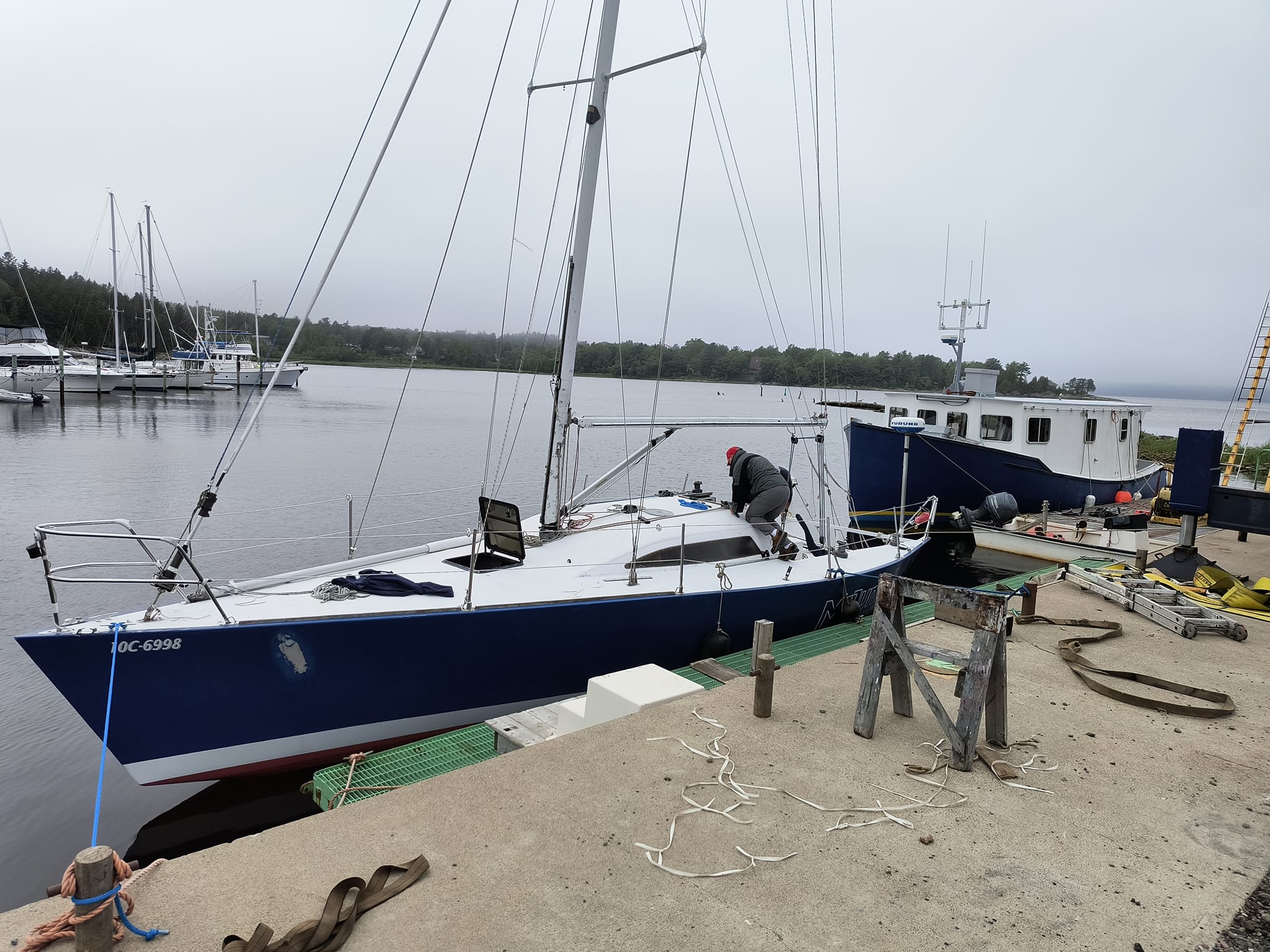
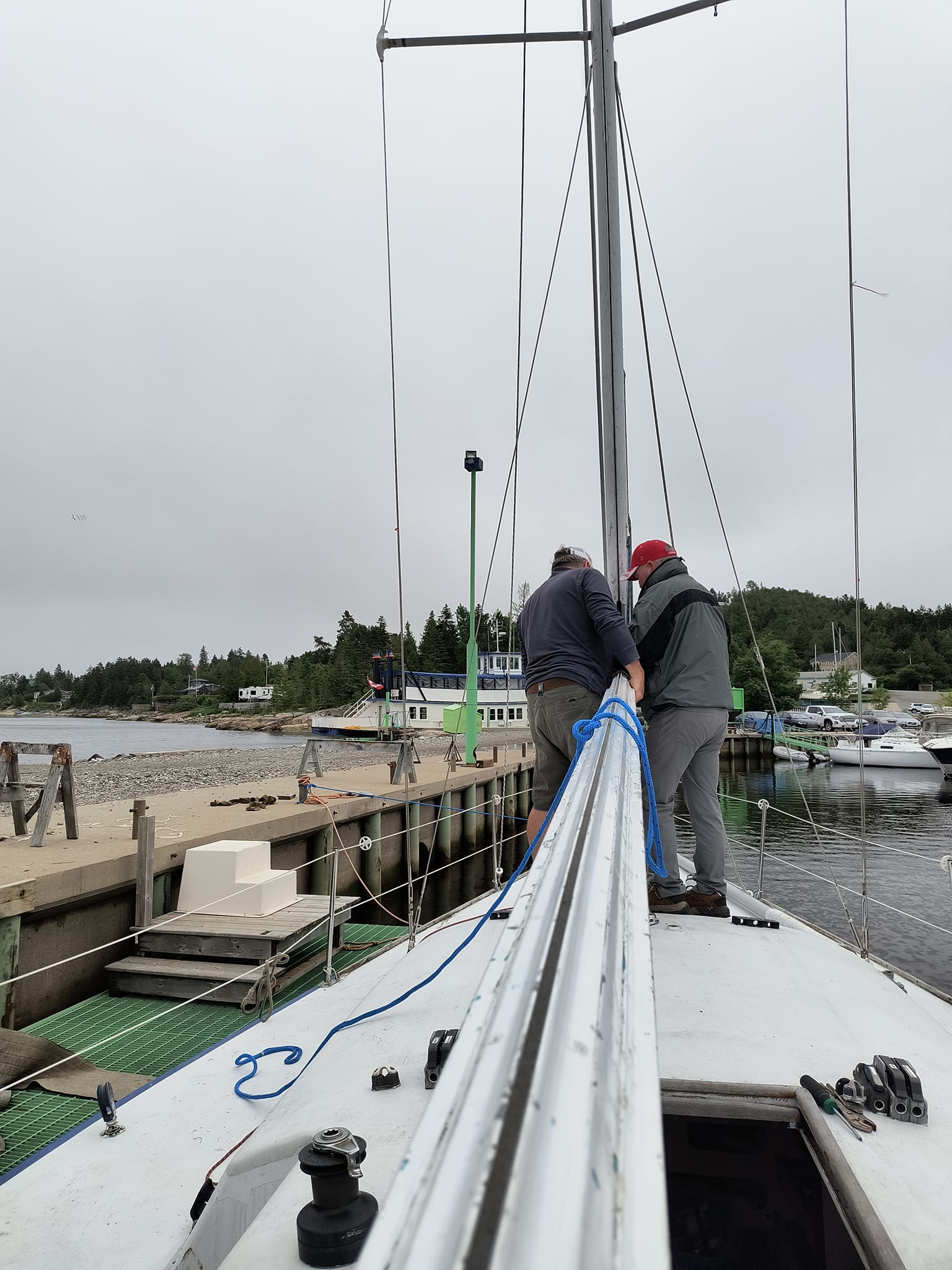
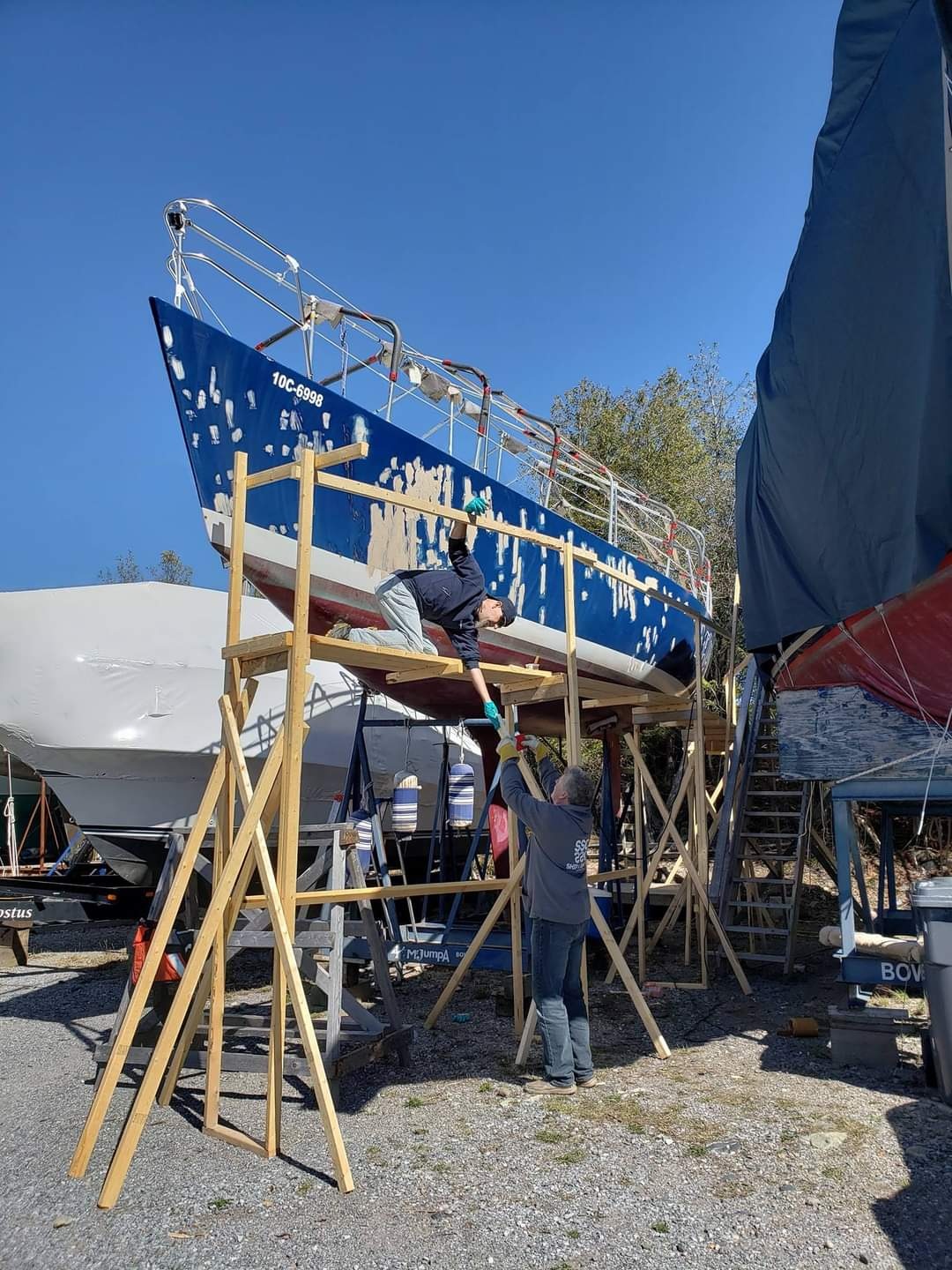
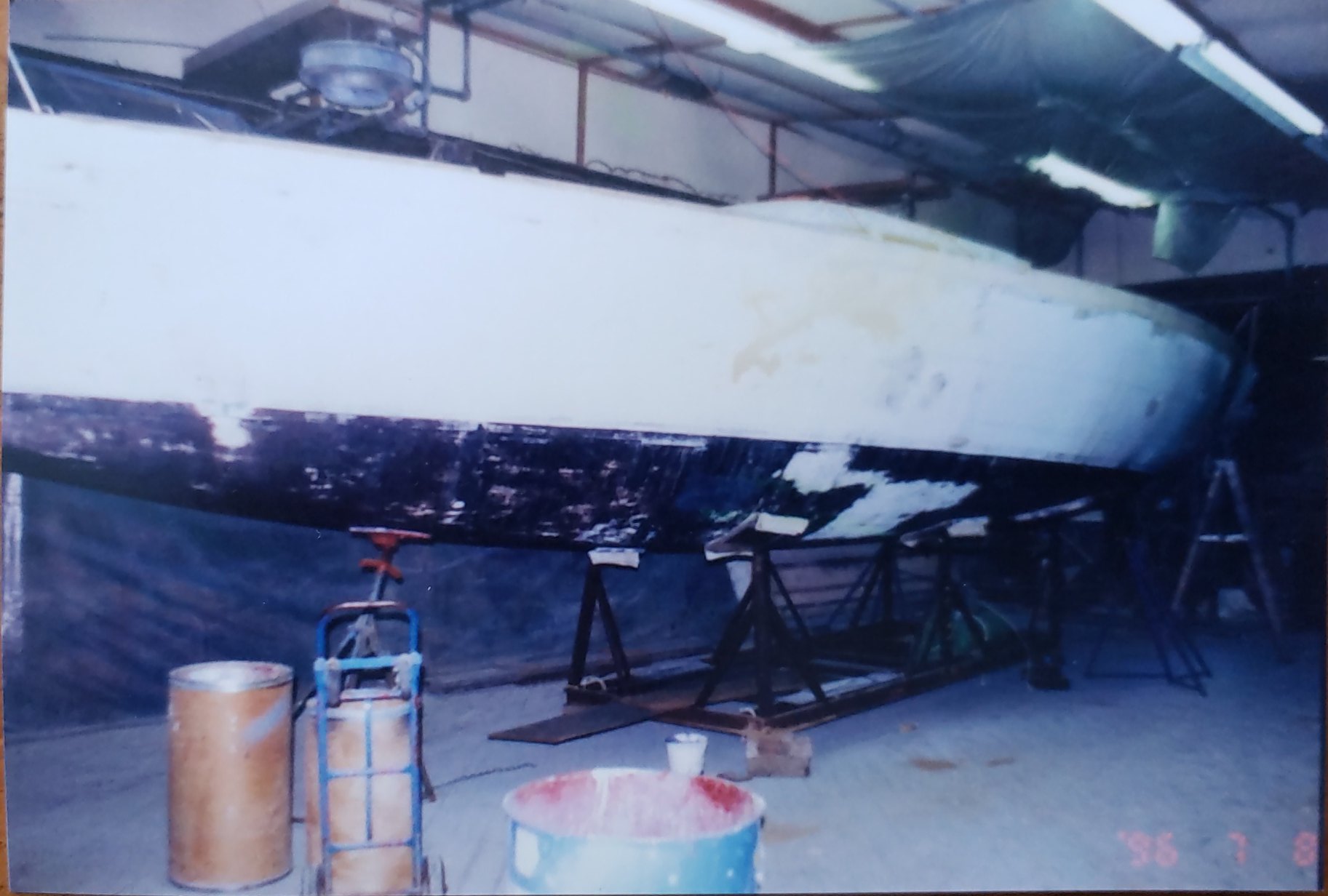
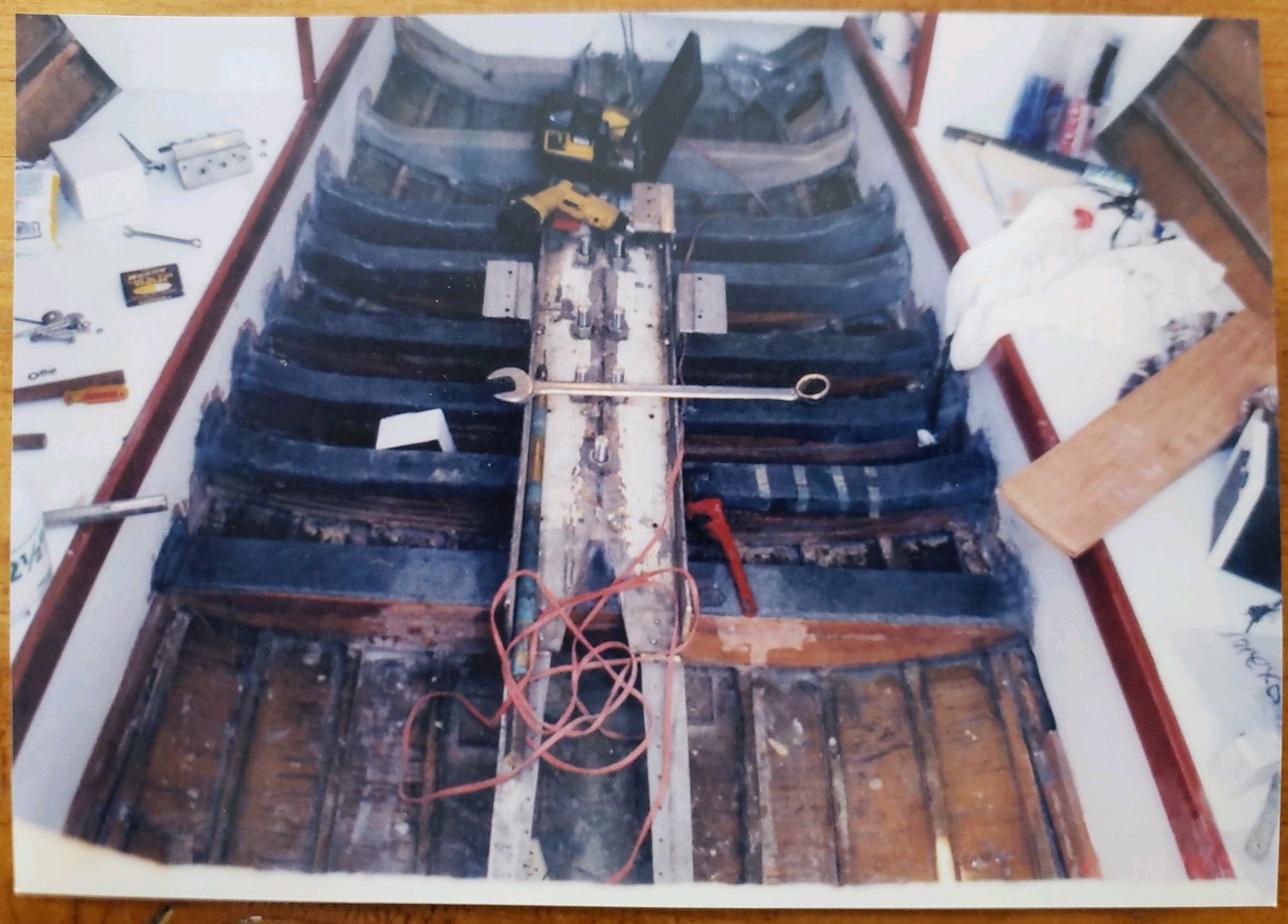
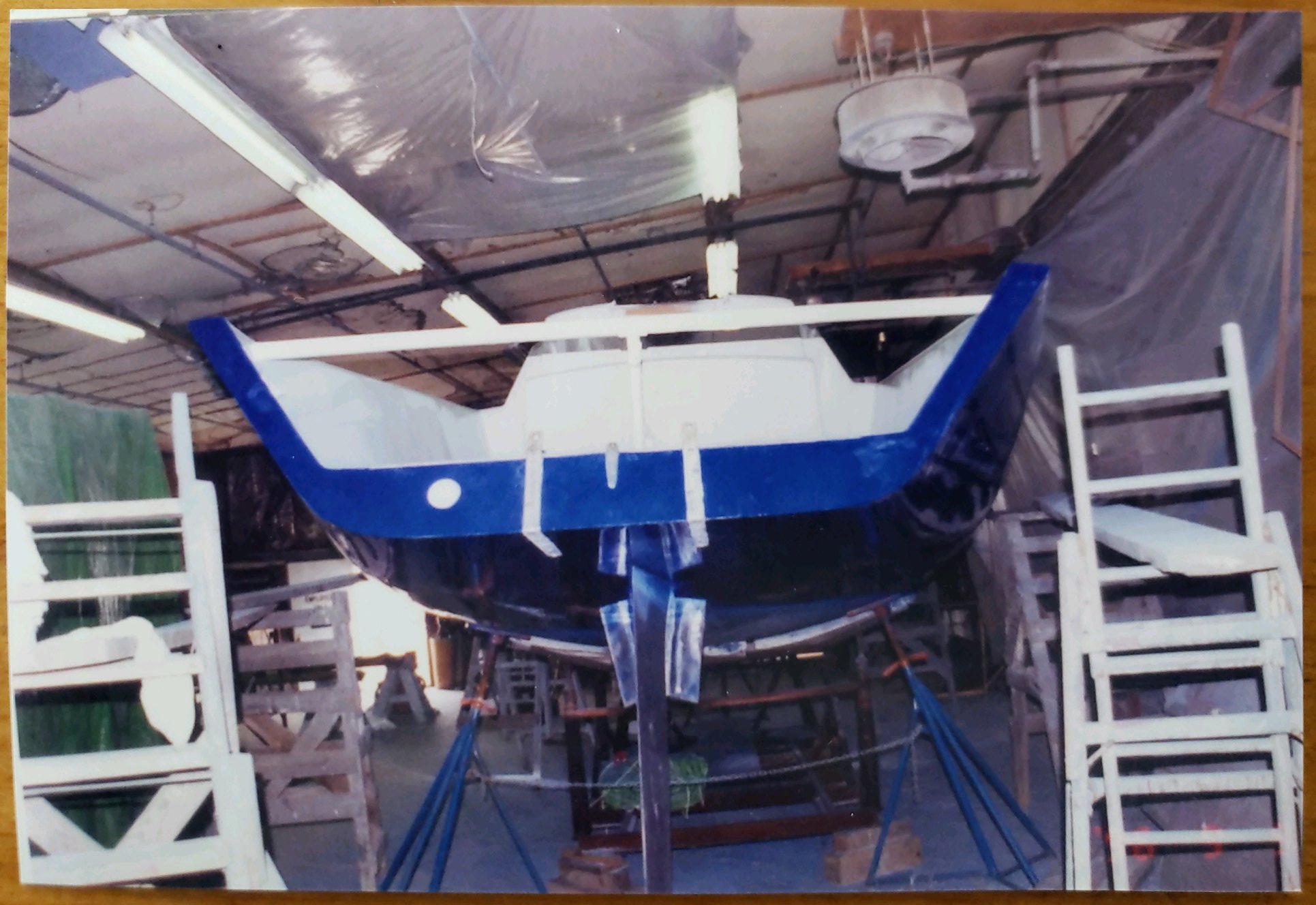
Bought from the insurance company, trucked to Maine, rebuilt by Bob Kellogg of Falmouth. The open daggerboard trunk was filled in. A modern fin keel from a Mumm 36 - a 1990s ILC racing class with a deep, lead-bulb high-aspect foil, also designed by Bruce Farr - was grafted on. Same designer, sixteen years apart. The original 5’7" centreboard draft became roughly 8 ft of fixed lead. Decks rebuilt in Airex-cored Kevlar/epoxy. Hull and deck refinished in Awlgrip.
She moved north to the Royal Kennebecasis Yacht Club in Saint John, New Brunswick around 2000, where she has been quietly campaigned for 25 years. She raced the Yarmouth Cup in Nova Scotia in 2002 and performed well under PHRF.
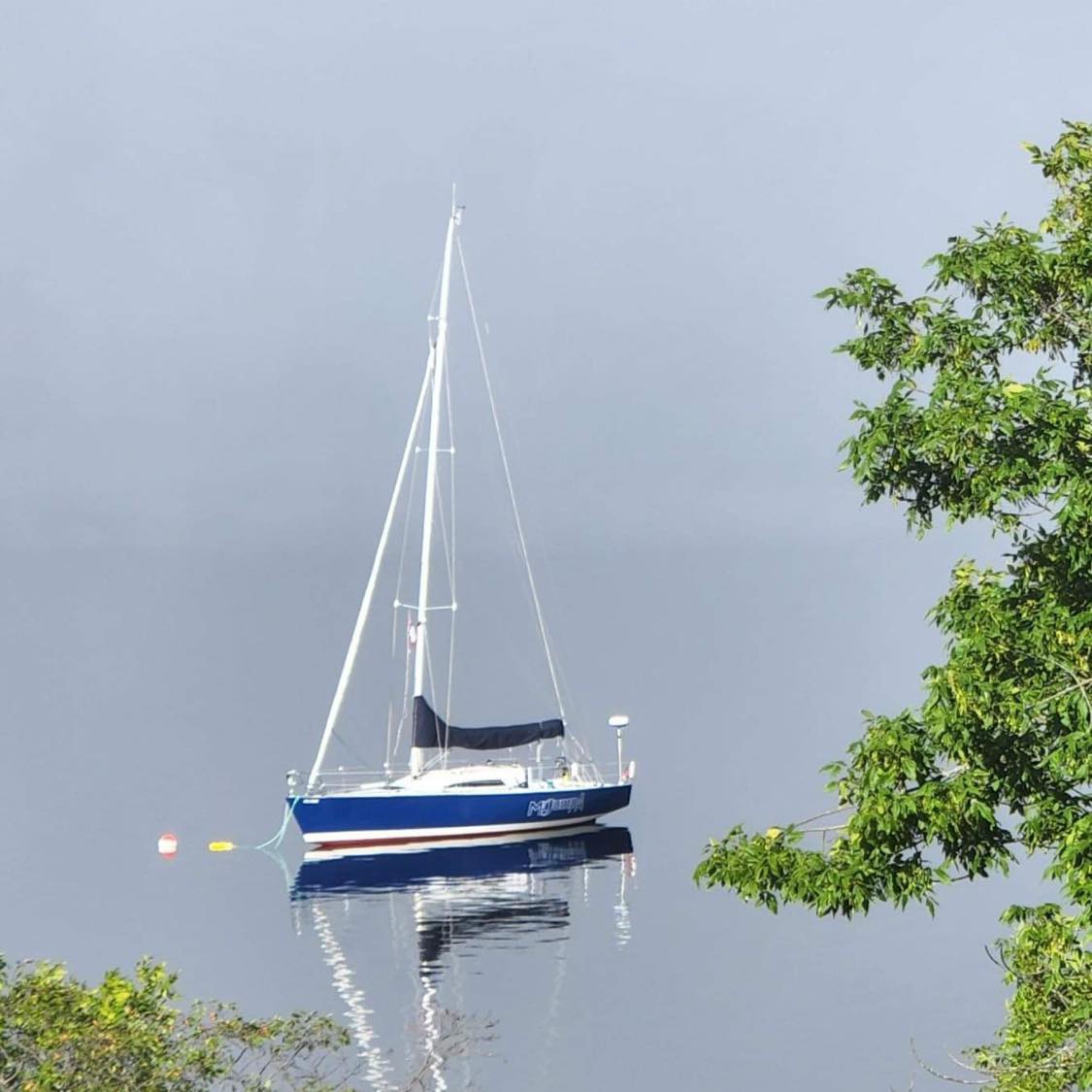
Forty-eight years after launch. Three masts, one hurricane, four countries, two keels, and an entire era of yacht racing later. Mr Jumpa is still afloat.